What is changing in the ocean, and how do we know?
Each topic covers how the system works, what has been observed, what could change, the consequences for people, what remains uncertain and what it means for decisions. Every statement is referenced to published work.
Latest research
- 22 October 2026 · Coral reefsGlobal Red List of Coral Reef Ecosystems (IUCN Red List of Ecosystems global coral reef assessment)IUCN, International Union for Conservation of Nature
- 20 October 2026 · Decisions and adaptationEmissions Gap Report 2026UNEP, United Nations Environment Programme
- 19 October 2026 · Fish on the moveA Bering Sea marine heatwave triggers unprecedented crab hybridization, challenging fisheries managementFedewa, E. J. et al., Proceedings of the National Academy of Sciences
- 13 October 2026 · El NiñoOcean thermal inertia sustains a tropical Pacific mean state shift under net zeroSengupta, A. et al., Communications Earth & Environment
- 12 October 2026 · Ice sheets and sea levelSea-level contribution from Thwaites Glacier doubles in an observation-constrained ice-sheet modelPoinelli, M. et al., Nature Communications
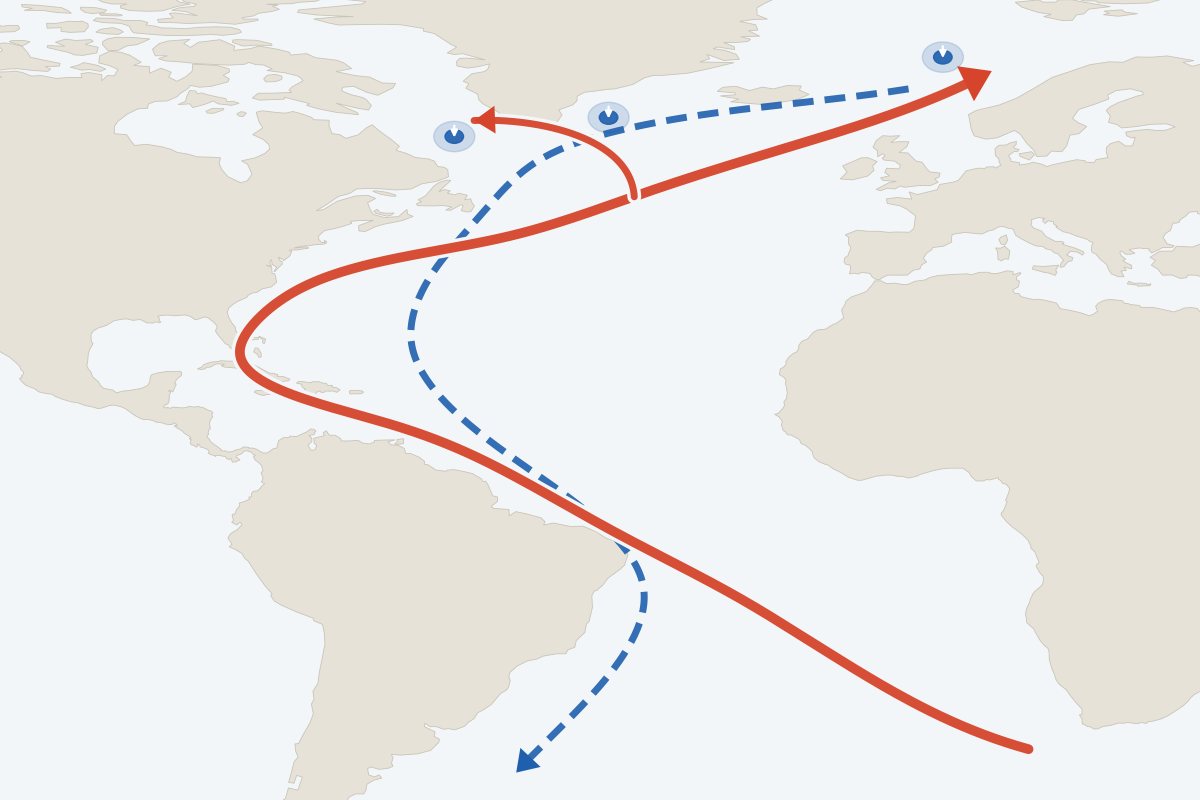 Atlantic overturning circulationIs the Atlantic overturning circulation weakening, and what would its collapse mean?The AMOC carries heat north through the Atlantic. Models agree it will weaken this century. Whether it could collapse, and when, is contested. A collapse would cool northwest Europe and shift tropical rainfall.Last reviewed 24 October 2026 · Interactive data
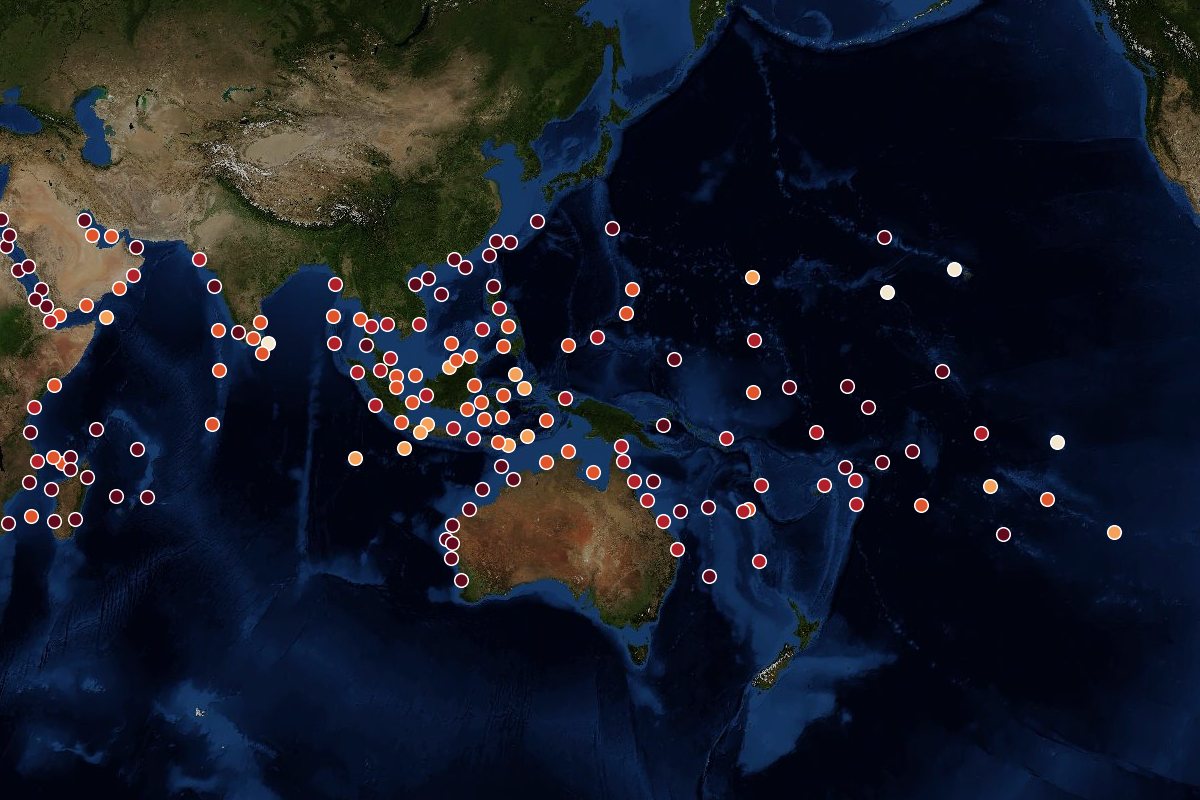 Coral reefsAre warm-water coral reefs passing a tipping point?Repeated marine heatwaves are bleaching reefs faster than they can recover. The Global Tipping Points Report 2025 assesses that warm-water reefs are crossing their thermal tipping point, and IUCN now lists 96% of shallow reef ecosystems as Critically Endangered.Last reviewed 24 October 2026 · Interactive data
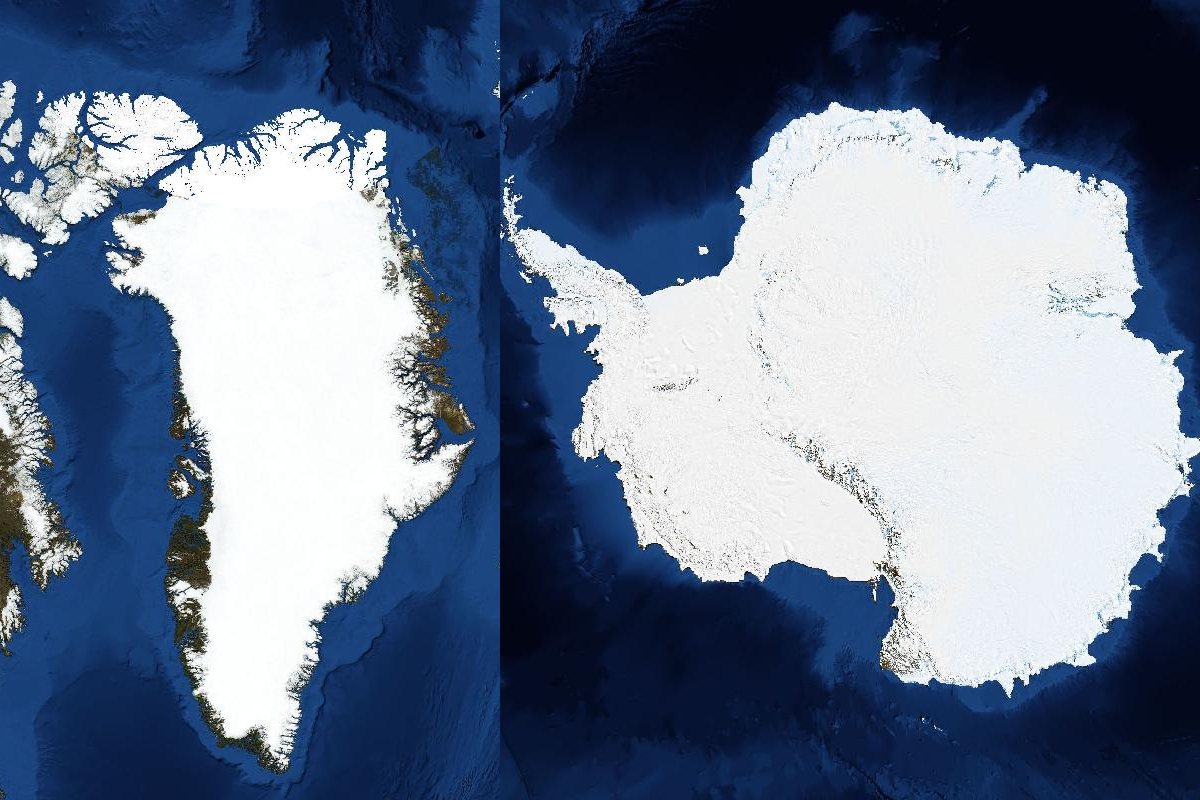 Ice sheetsHow fast are the ice sheets raising sea level, and how much more rise is locked in?Greenland and Antarctica are losing ice at an accelerating rate. How far the sea rises by 2100 depends on emissions and on deep uncertainty about West Antarctica. Much more rise is committed over the following centuries.Last reviewed 24 October 2026 · Interactive data
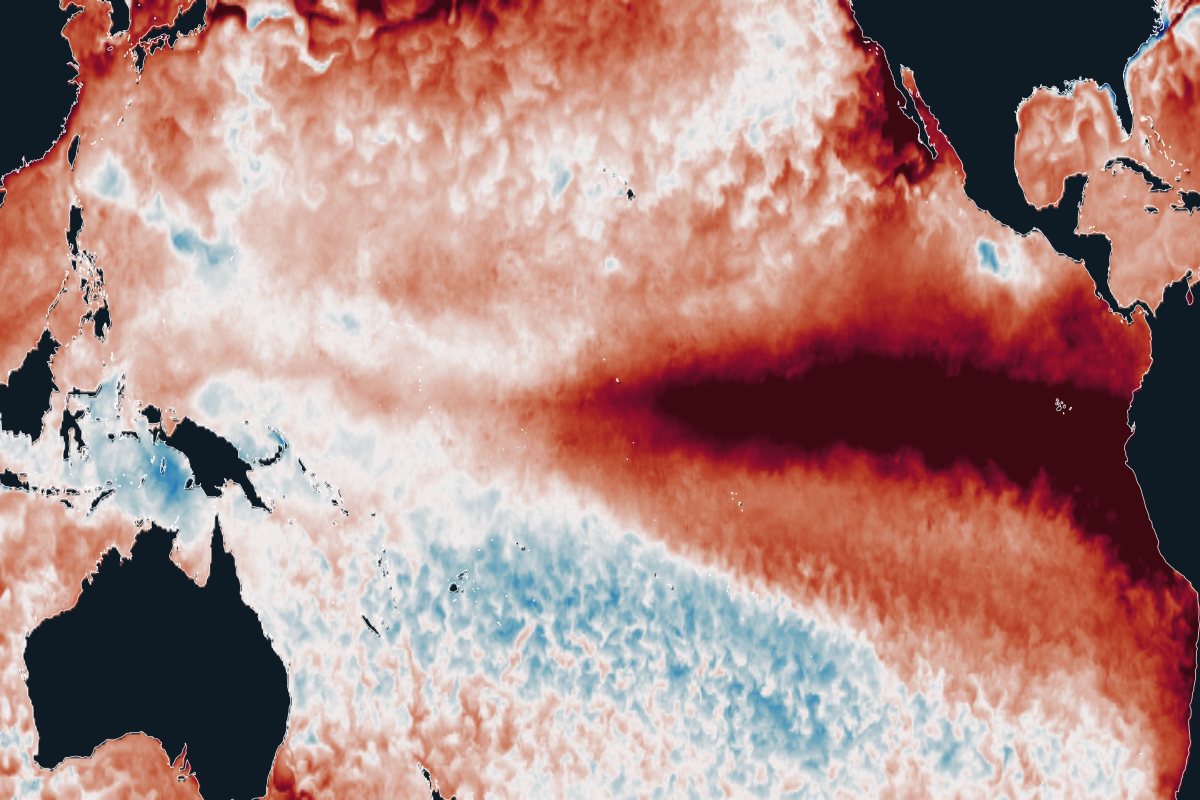 El Niño and the tropical PacificIs a warming climate changing El Niño?El Niño is the largest natural swing in the climate system, and a strong event is under way in 2026. Evidence is growing that warming makes extreme El Niños more frequent and could shift the Pacific towards a more El Niño-like state for centuries.Last reviewed 24 October 2026 · Interactive data
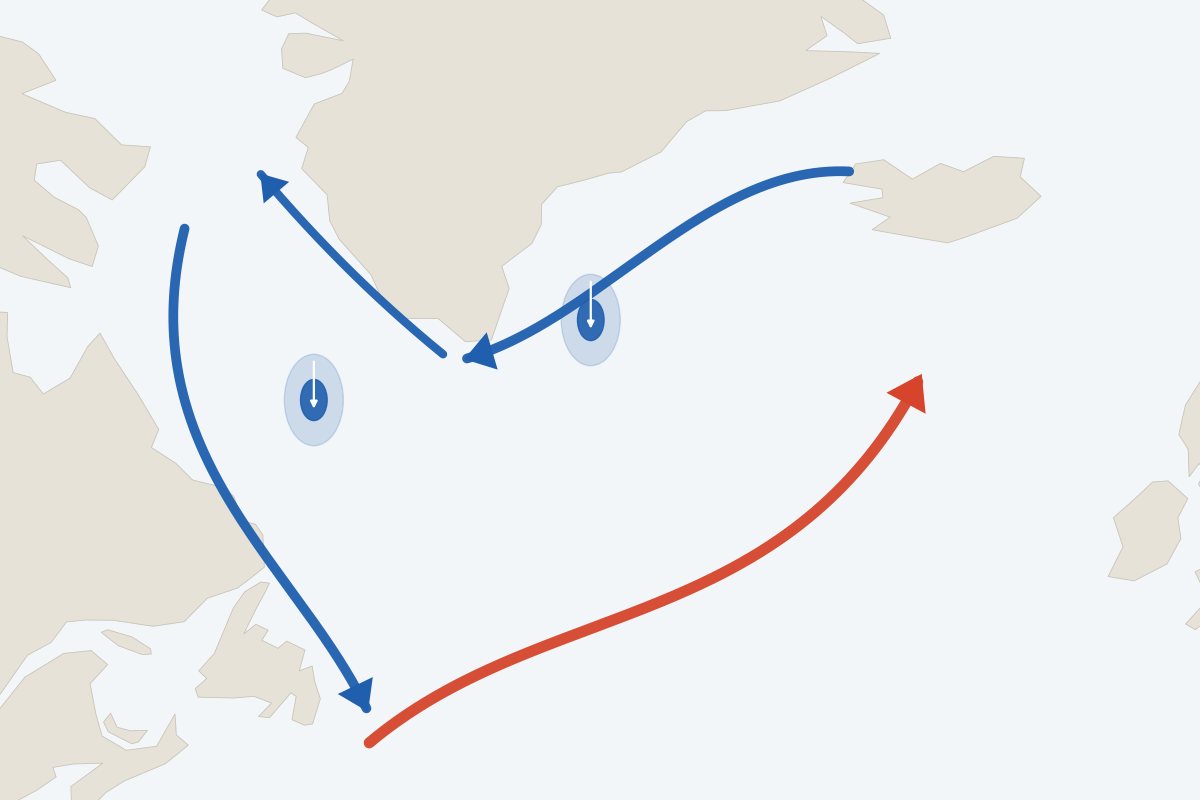 Subpolar North AtlanticCould the North Atlantic south of Greenland cool abruptly?Each winter, surface water south of Greenland cools, becomes dense and sinks. In a minority of climate models this stops within about a decade this century, cooling the region abruptly. Observations cannot yet tell whether the real ocean is near that point.Last reviewed 24 October 2026 · Interactive data
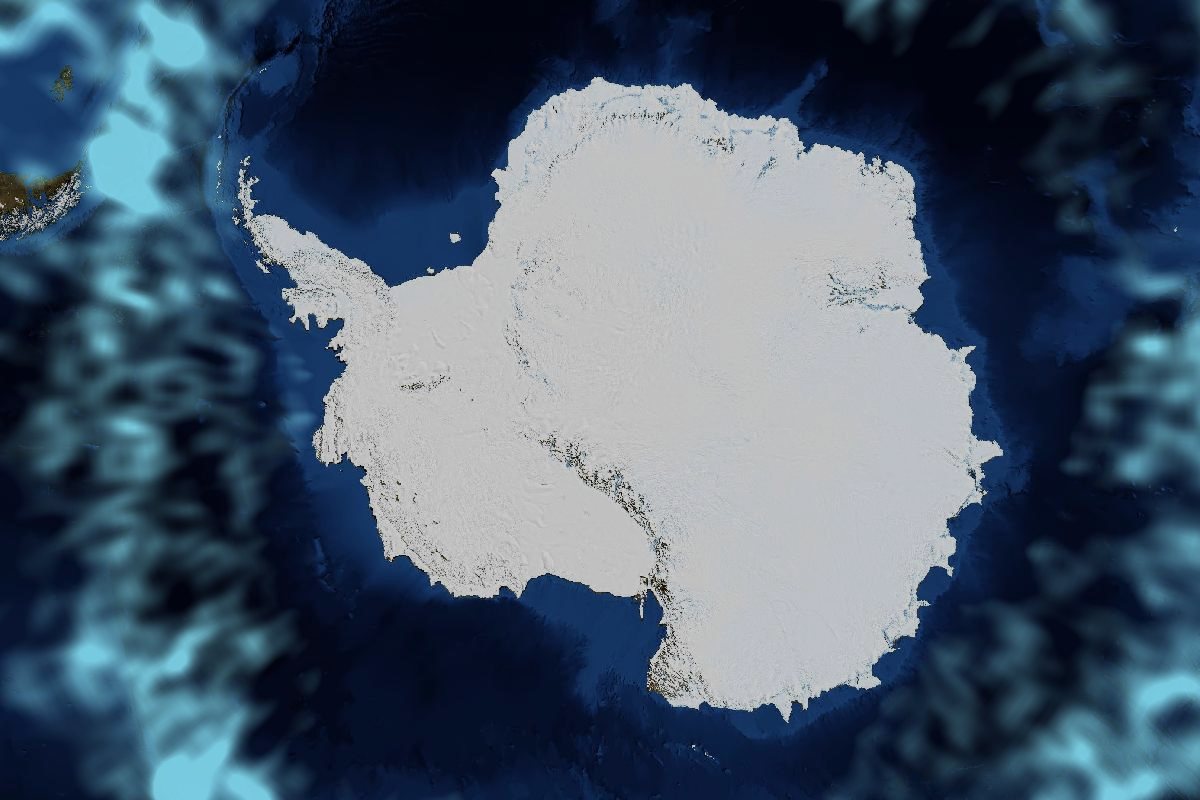 Southern OceanIs the deep overturning circulation around Antarctica slowing down?Cold, dense water sinking around Antarctica carries oxygen, heat and carbon into the deep ocean worldwide. Observations show this bottom water thinning and its export slowing in two basins, and Antarctic sea ice has fallen to record lows since 2016.Last reviewed 24 October 2026 · Interactive data
How sources are chosen, how data are processed and how uncertainty is shown: methods and data. Terms are explained in the glossary.